

Team Camps: Where Teams Slow Down To Really See Each Other

Written in collaboration with people and culture development team, and the employer brand team
Team Camps at Hilti create dedicated space for teams to step away from daily work and reflect on how they collaborate, communicate, and support one another. Through open conversations and shared experiences, people gain deeper self-awareness, strengthen relationships, and build the trust that helps teams perform at their best.
Arriving With Work Still on Your Mind
It usually starts quietly.
People arrive carrying more than expectations for the day. They bring the rhythm of work with them: open decisions, ongoing pressure, unfinished conversations.
At first, nothing feels particularly different. The room fills, conversations begin, and familiar patterns naturally appear. But then something subtle shifts. Phones are put away. The urgency of the day fades into the background. And without much ceremony, attention moves from tasks and delivery to the people in the room.
Only then does something open up that is rare in everyday working life: the space to talk honestly about how it actually feels to work together.
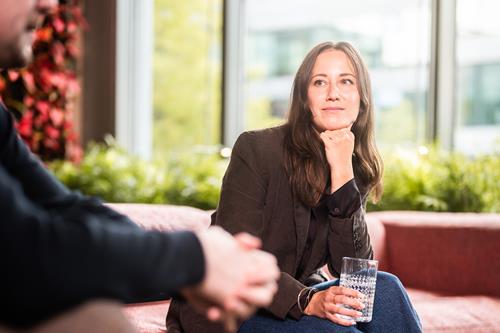
When Conversations Become Real
In the beginning, the conversations are careful. People speak in familiar terms about collaboration, what works well, what could be improved, and where communication sometimes breaks down. It is structured, respectful, and safe.
But Team Camps are not designed to stay on the surface.
As the day progresses, the tone shifts. Someone shares a moment that stayed with them longer than expected. Another person recognizes it immediately, but from a different perspective. A third adds context that had not been spoken out loud before.
And then something changes. People stop focusing on how to respond and start focusing on how to understand.
Campfire sessions and conversations with senior leaders are also part of the experience. Leaders join parts of the dialogue, sharing their reflections while answering questions from the team. It becomes a two-way exchange, where roles soften and people meet each other more openly.
I consider it my job first and foremost to create a company climate in which every single individual is able to develop the will to succeed and a sense of commitment, while still having fun at work. This is in my opinion management’s most important task and an entrepreneur’s ethical responsibility.
Creating Space for Honest Reflection
Every Team Camp is guided by an internal facilitator from within Hilti who understands the organization from the inside.
Their role is not to lead the discussion or steer it toward predefined conclusions. Instead, they protect the conditions for real dialogue. They ask questions that open perspective rather than close it. They allow silence when it is needed. And they resist the natural pressure to resolve things too quickly.
Often, they do not bring answers into the room. They help the team notice what is already there but has not yet been fully expressed.
Some of the most meaningful insights emerge here, not through instruction, but through reflection shared openly among the team.
What People Discover About Themselves
This is not a selective leadership initiative, but a shared cultural experience across the organization.
People from different countries, functions, and backgrounds come together in the same format, guided by shared principles and invited into the same conversation. Over time, it becomes a shared reference point for what it feels like when people slow down long enough to truly listen to each other.
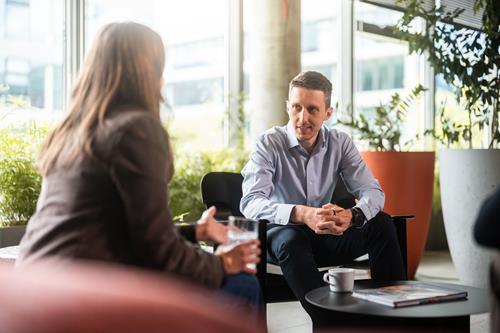
Often, what people take away goes beyond work itself. The conversations and reflections stay with them long after the camp is over, shaping not only how they collaborate with others, but also how they understand themselves.
They leave with a clearer sense of how they show up in different moments, and the imprint they leave on those around them.
Team Camps are not designed to create a one-day experience. They are designed to strengthen the everyday interactions that shape how teams collaborate, communicate, and solve challenges together.
What Changes After Everyone Goes Back
What happens in a Team Camp does not stay there.
It returns quietly into everyday work. Conversations happen earlier. Misunderstandings are addressed sooner. Meetings feel slightly more open, more honest, and more connected.
There is rarely a single defining moment of change. Instead, it appears in small shifts that gradually become part of everyday team life. Sustaining this way of working takes openness, trust, and a shared willingness from both leaders and team members to keep it alive in everyday moments.
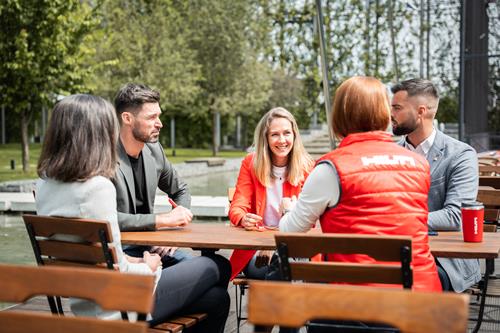
And while nothing changes overnight, the way people choose to engage with each other slowly begins to shift.
The Connection That Stays
Team Camps are not about fixing teams. They create space for people to see themselves and each other more clearly and shape how they work together.
When people begin to understand each other not just as colleagues, but as human beings navigating complexity together, work shifts from coordination to connection.
And from that connection come stronger collaboration, deeper trust, and the kind of teamwork that continues long after the camp is over.

