

Guiding the Culture: Inside the Role of a Hilti Sherpa

Written by the Hilti GB / Northern Europe employer brand team – sharing real stories and insights into life, culture and careers at Hilti.
What does it take to turn company culture from a set of words into something people experience every day?
When Warren Busch joined Hilti in South Africa almost 22 years ago, he started as an Account Manager in the steel construction trade. His career would go on to span key accounts, regional leadership, training, customer services and Hilti Stores before bringing him and his family to Great Britain in 2015.
Since 2017, Warren has been the full-time Sherpa for Hilti’s Northern Europe region. It is a role with an unusual title, a wide remit and one clear purpose: helping Hilti’s culture live through its people.
“For me, this is the ultimate role in Hilti.”
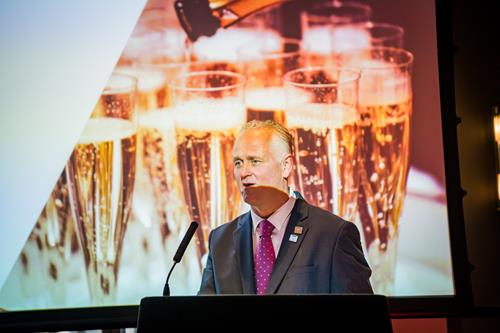
What Is a Sherpa?
Outside Hilti, Sherpas are known for guiding people through challenging mountain journeys. At Hilti, the principle is similar. Sherpas help individuals, teams and leaders navigate the company’s culture.
The role was introduced at Hilti in 2004, following the company’s recognition with the Carl Bertelsmann Prize for corporate culture the previous year. The idea was that the people who knew Hilti best should play an active role in protecting and strengthening what made its culture distinctive.
We are the custodians of the culture. Part of the role is to hold up the mirror to leadership and to the organisation and ask: are you really living the culture that you say you have?
That means listening to the organisation, understanding what people are experiencing and sharing those insights with leadership. It also means helping leaders communicate with their teams and supporting them with the human side of leadership.
A Sherpa is not there to take sides. The role requires neutrality, trust and the ability to listen, particularly when colleagues are navigating sensitive or difficult situations.
Care and Performance, Together
Hilti describes its culture as both caring and performance-oriented. For Warren, the important word is “both”.
“It isn’t about balancing care and performance. We have to give 100% to both.”
Caring can mean having a colleague’s back. Performance can mean holding that same colleague accountable. The two are not opposites. Done well, they strengthen one another.
“We can still hold each other accountable and have each other’s backs.”
This principle sits alongside Hilti’s four core values: courage, teamwork, commitment and integrity. A Sherpa helps keep those values visible, not only when decisions are easy or people are watching, but also when challenging conversations need to happen.
That responsibility applies at every level. Sherpas support colleagues, but they must also be prepared to challenge leaders when words and actions do not align.
A Role That Reaches Across the Business
There is no standard day in the life of a Sherpa.
Warren’s work takes him across Great Britain, supporting teams through Team Camps, new-starter culture orientations and tailored sessions designed around the challenges or ambitions of individual teams.
Fast Leap sessions help a new team leader and their team understand one another, set expectations and agree how they want to work together. One Voice sessions focus on a specific team need, such as communication, collaboration or becoming a higher-performing team.
Warren also supports employee listening activities, inclusion initiatives, long-service celebrations and conversations between colleagues or leaders when a neutral facilitator can help them move forward. To stay connected with the realities of the organisation, he attends business, divisional and leadership meetings alongside working directly with teams.
Much of the role is visible and energising. Some of it happens quietly behind the scenes.
“People see the fun side of the Sherpa role, and it is a fun role. But people also come and speak to you about sensitive topics.”
Being trusted with those conversations can be demanding. So can the travel involved in supporting colleagues around the country. Yet Warren still describes the role as deeply rewarding, particularly when he sees leaders grow or teams find a better way to work together.
Creating Space for Teams to Grow
One of the most recognisable parts of Hilti’s culture journey is Team Camp.
Each Team Camp gives employees time away from day-to-day work to reflect, learn and grow. There is an individual element, a team element and an organisational outcome: when individuals and teams become better, Hilti benefits too.
The current chapter, Team Camp Better, explores feedback, reflection and perception. Previous Team Camps have focused on themes including entrepreneurship, inclusion, care and performance, and managing change.
What matters to Warren is that Team Camp is not reserved for a particular level or function.
“It’s not just for some, it’s for all. Irrespective of your rank, your role or where you sit in the organisation, every single person does Team Camp.”
That shared experience helps culture remain an active conversation rather than something introduced once and then forgotten.
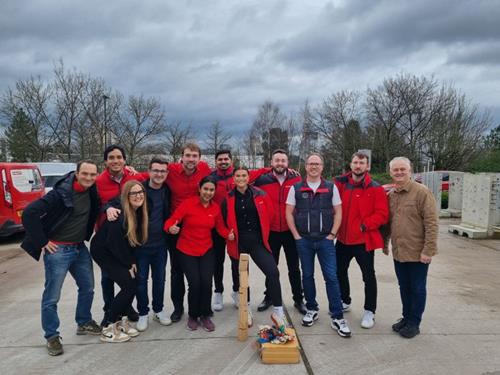
The People Behind the Role
Becoming a Sherpa requires more than knowledge of culture programmes.
Warren believes a Sherpa must first “walk the talk”, consistently demonstrating Hilti’s values through their own actions. Leadership experience and a strong understanding of the business are also important, as Sherpas regularly advise and challenge leaders.
Trust is equally critical.
“People need to feel they can come to you. If they don’t feel they can trust you, they’re not going to speak.”
Warmth, credibility and experience all matter, but so does the willingness to listen without immediately judging or taking sides.
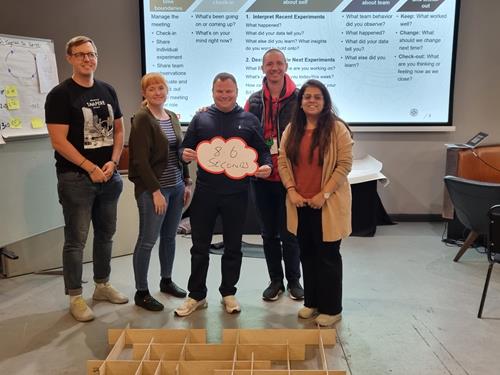
Making Someone’s Day Better
Culture can be difficult to measure. Feedback, engagement, inclusion and retention can provide useful signals, but no single number can capture the effect of a trusted conversation, a stronger team relationship or a leader changing their approach.
For Warren, the impact is personal.
I honestly believe my purpose in life is to make somebody else’s day better. Even if it’s just 1%, I want people to feel better because I’ve listened.
After more than two decades at Hilti, that purpose still guides his work. Not simply protecting a culture but helping people experience it in the moments that matter.
Interested in joining a company where culture is shaped through everyday actions, honest conversations and shared responsibility? Explore current opportunities and discover more about life at Hilti on our careers website.

